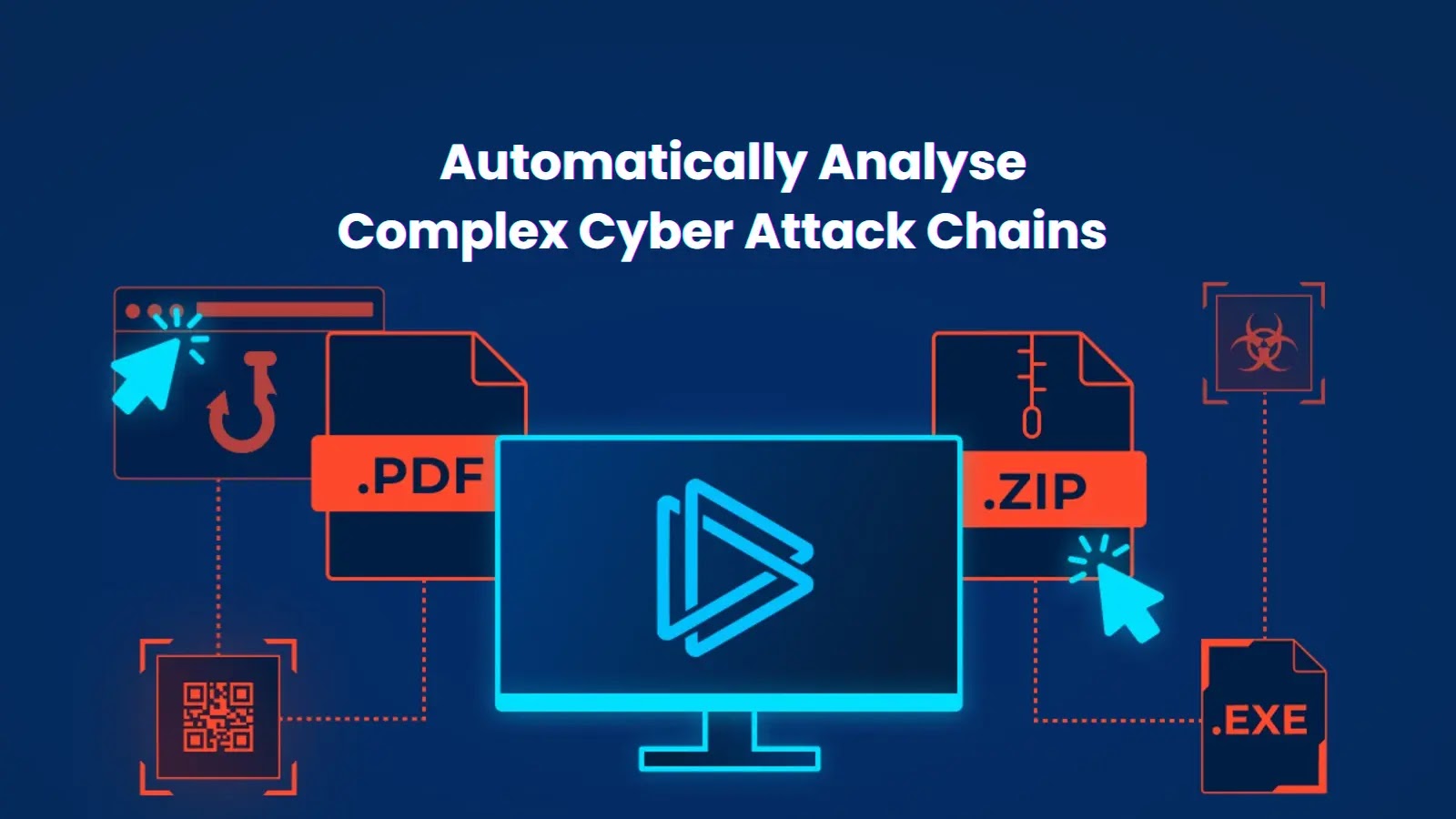
About Smart Content Analysis
-
Scanning uploaded files to locate critical components, such as URLs and email attachments.
-
Identifying the key components detonation of which moves the attack forward, including URLs embedded within QR codes or rewritten by security filters.
-
Engaging with the malicious content in a controlled environment, for instance, by opening URLs in a browser or running payloads found in email archive attachments to observe their behavior.
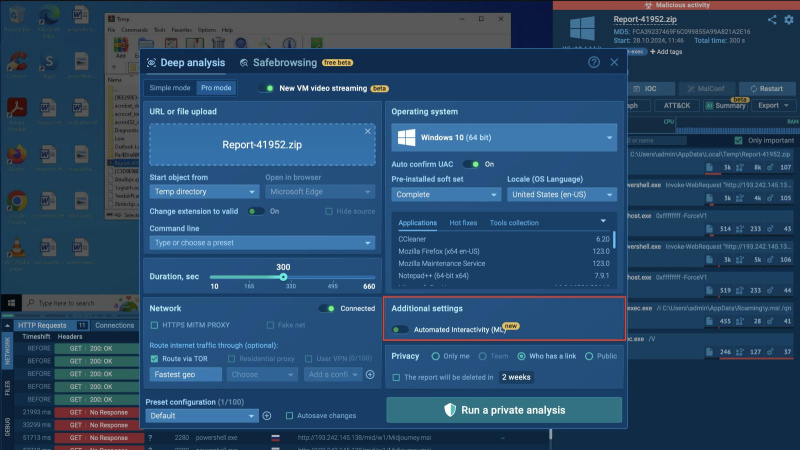
Detonating a Multi-Stage Attack with Automated Interactivity
-
URLs inside QR codes
-
Modified links
-
Multi-stage redirects
-
Email attachments
-
Payloads with archives
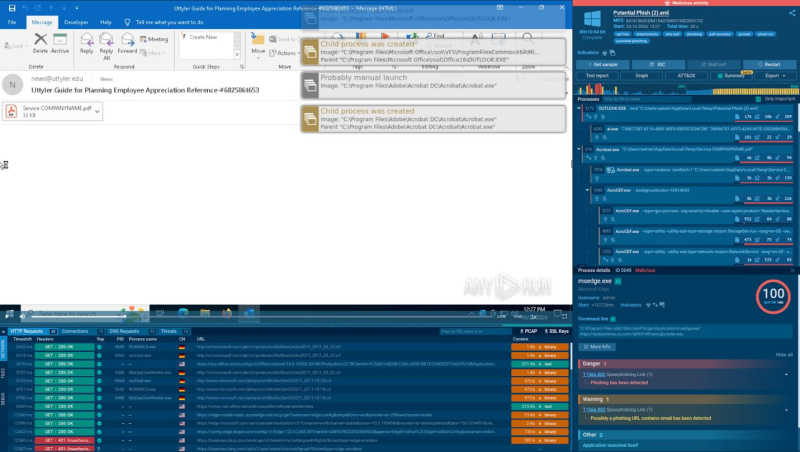
The phishing email analyzed with Automated Interactivity
The system automatically opens the .eml file submitted by the user via Outlook, detects a PDF attachment, and scans its contents.
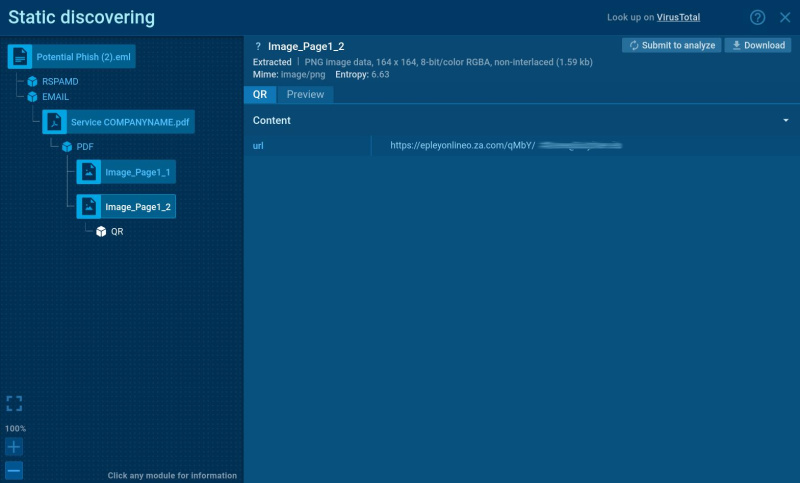
Inside the PDF, it identifies a QR code, instantly extracts the embedded URL, and opens it in a browser.
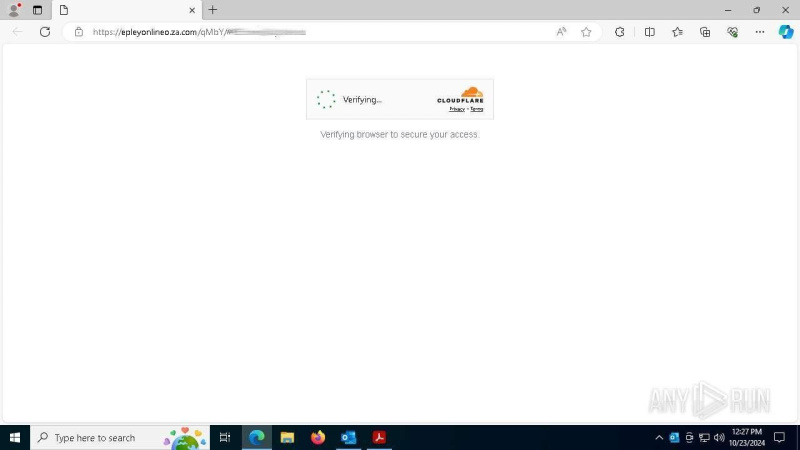
When faced with a CAPTCHA challenge, commonly used to evade detection, the feature successfully solves it and moves on to the next stage of the attack.
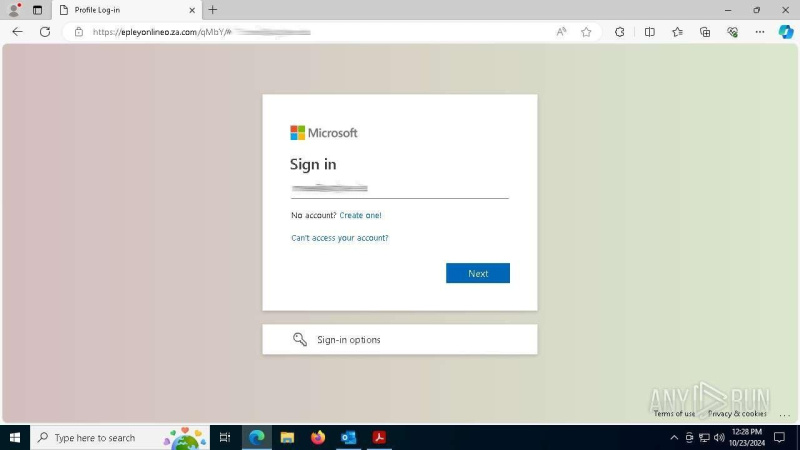
The final phishing page designed to steal victims’ credentials
Eventually, it successfully reaches the final phishing page, not only ensuring complete detection of the attack, but also providing additional context on the threat at hand.
Adaptive to New Threats
Exploring Smart Content Analysis
Automated Interactivity helps security professionals streamline and improve their threat investigations:
-
Less manual effort : No more wasted clicks. Let the sandbox handle repetitive actions so you can focus on the bigger picture.
-
Faster, deeper insights : Go beyond surface detections with simulations that bring hidden threat layers to light.
-
Speedy analysis : Accelerate your analysis with automation that moves as fast as you do, from simple phishing links to layered attack chains.