AsyncRAT is back in the headlines, and the attackers behind it have found a clever way to hide in plain sight.
Instead of relying on suspicious servers, they use Dropbox links and TryCloudflare tunnels, both trusted services that most security tools rarely block.
The result is a campaign that slips past everyday defenses while quietly handing control of infected computers to attackers.
The trojan itself is nothing new. AsyncRAT has been used for years to spy on victims, steal data, and run remote commands without being noticed.
What makes this wave notable is the delivery method, which leans on legitimate cloud infrastructure and a hidden Python package to install the final payload.
Researchers from Forcepoint recently identified this AsyncRAT campaign, noting that it closely resembles an earlier attack the company analyzed back in August.
The team said the reuse of TryCloudflare confirms predictions made in its 2025 Future Insights report, which warned that attackers would increasingly abuse legitimate infrastructure to stay under the radar.
The infection starts with something almost everyone has seen before, a phishing email carrying an invoice themed message.
Clicking the embedded Dropbox link triggers a chain of downloads that eventually installs AsyncRAT while showing the victim a convincing fake PDF invoice to keep suspicion low.
Forcepoint said in a report shared with Cyber Security News (CSN) that the campaign shows how easily trusted platforms can be turned into delivery tools for serious cyber threats.
AsyncRAT Campaign Abuses TryCloudflare Tunnels and Python Scripts
The email lure hides a Dropbox URL behind a German language button labeled to download an invoice. Clicking it downloads a ZIP file containing an internet shortcut, and opening it connects to a TryCloudflare subdomain.

That subdomain hosts an LNK file, which uses PowerShell to fetch a JavaScript file from the same tunnel.
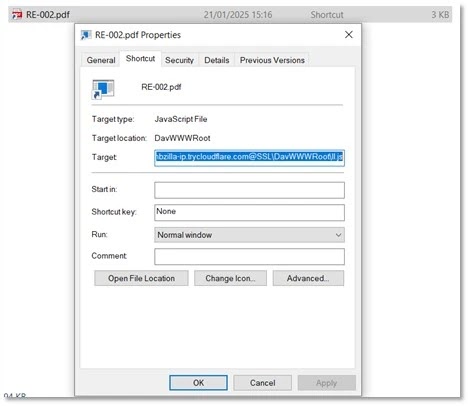
The JavaScript, once deobfuscated, quietly pulls down a batch file from the same infrastructure.
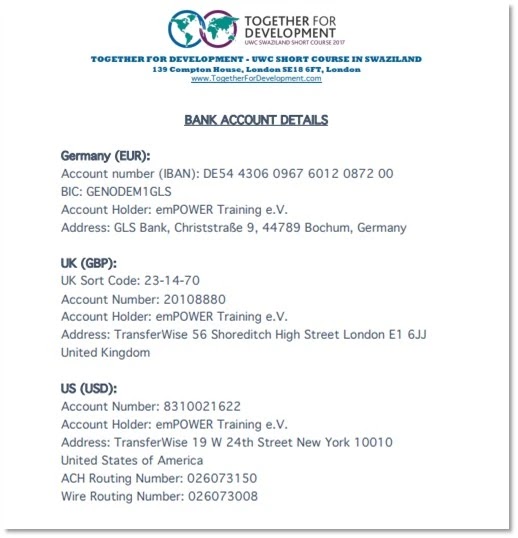
This batch file is heavily obfuscated and does the real heavy lifting. It opens the fake invoice PDF as a decoy while downloading a second ZIP file that carries a Python package. It also checks whether Python is installed, running a bundled interpreter if not.
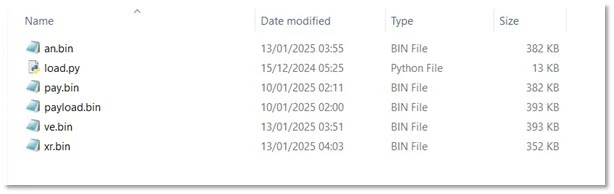
Inside that Python package, most files are harmless setup components. Only a single script named load.py, along with five accompanying binary files, actually carries out the attack.
Python Loader And Final Payload
Once triggered, load.py calls on ctypes, a Python library that talks directly to Windows system functions. It uses this access to allocate memory, create threads, and copy shellcode into place, all classic building blocks of process injection,
The technique used here is Early Bird APC Queue injection. It plants code into a newly created process before that process starts running its main thread, making it harder for antivirus and endpoint tools to catch. Depending on which binary file is processed, the payload varies.
One binary injects VenomRAT into the legitimate notepad.exe process, another injects XWorm, and remaining files inject AsyncRAT shellcode into explorer.exe. All variants reach out to the same command and control servers over different ports.
Forcepoint noted its customers already have protection at several stages of this chain, including blocking the lure attachments, redirect URLs, dropper files, and call home traffic to the command and control servers.
Its NGFW products also terminate LNK file transfers and suspicious PowerShell connections by default. For everyone else, the advice is simple.
Treat unexpected invoice emails with caution, especially ones urging an urgent download, and avoid opening ZIP attachments or shortcut files from unknown senders. Keeping PowerShell logging enabled can also help catch this infection early.
Forcepoint expects more campaigns like this going forward, since low cost, disposable infrastructure makes it cheap for criminals to launch infostealers and remote access trojans while staying ahead of blocklists.
Indicators of Compromise (IoCs):-
Note: IP addresses and domains are intentionally defanged (e.g., [.]) to prevent accidental resolution or hyperlinking. Re-fang only within controlled threat intelligence platforms such as MISP, VirusTotal, or your SIEM.