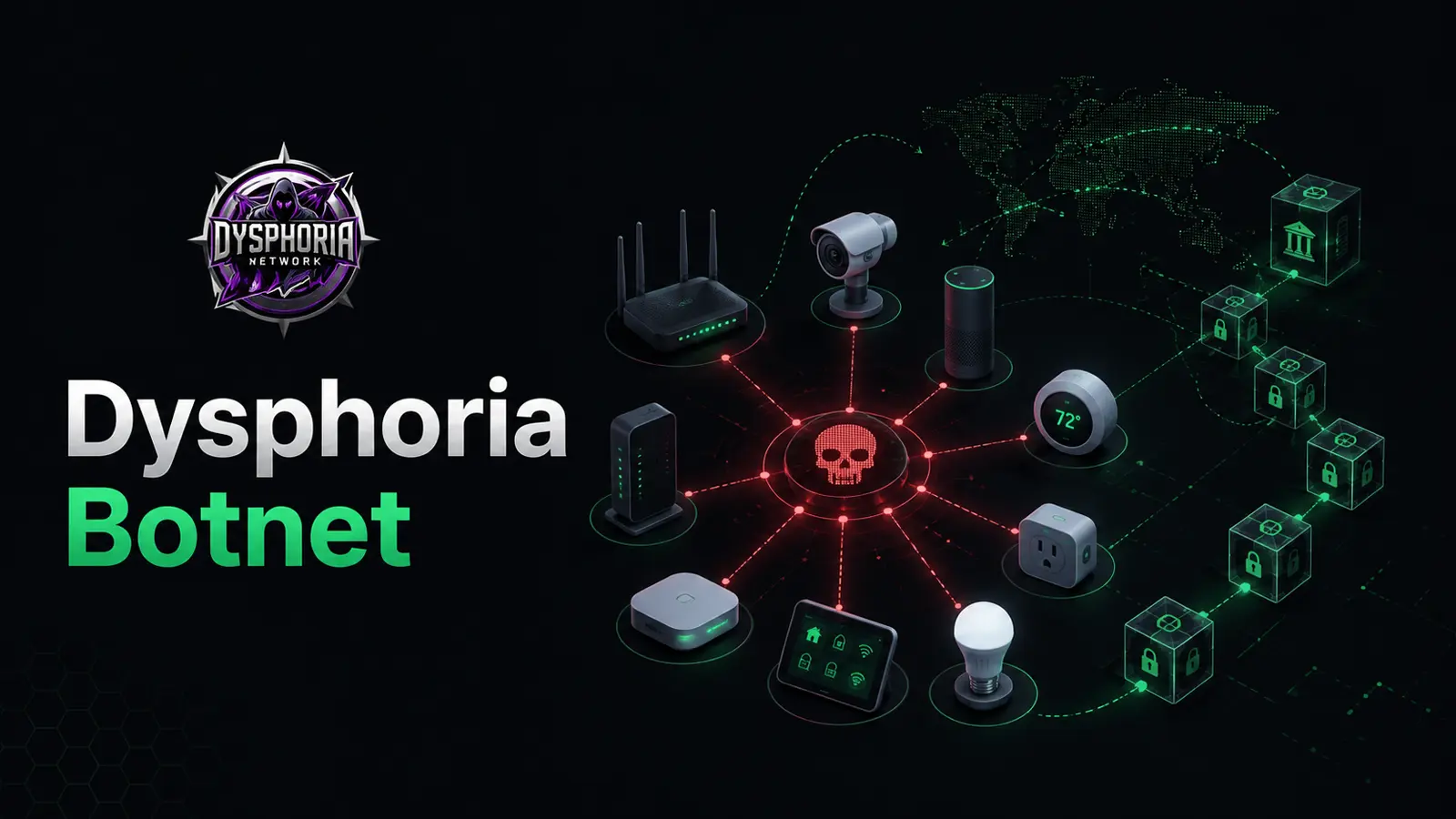
The modern enterprise perimeter has effectively dissolved, replaced by a complex web of Application Programming Interfaces (APIs) that facilitate seamless communication between services, mobile applications, and third-party partners.
As organizations prioritized digital transformation over the last decade, APIs became the connective tissue of the internet, but this ubiquity has drawn the attention of sophisticated threat actors.
In high-transaction environments where speed is critical, such as online gaming platforms or high-frequency trading desks, the integrity of the verification process is constantly under siege.
These industries rely on split-second decisions to validate users, making them attractive targets for automated interference that seeks to gain an unfair advantage or manipulate outcomes.
The challenge facing Chief Information Security Officers (CISOs) in 2026 is that traditional defense mechanisms are often blind to these new attack vectors.
Unlike SQL injection or cross-site scripting, which leave recognizable signatures, modern API abuse often looks like legitimate traffic.
Attackers are leveraging machine learning to mimic human behavior, rotating through residential IP proxies, and manipulating business logic to bypass rate limits.
The era of relying on CAPTCHA challenges as a primary defense against bot traffic has largely come to an end, particularly for API endpoints that are designed for machine-to-machine communication.
Because APIs are often consumed by mobile apps or single-page applications, injecting a visual challenge into the authentication flow can break the user experience or cause application errors.
The scale of this targeted focus is alarming. Research conducted recently highlights that 44% of advanced bot traffic targeted APIs in 2024, a figure that represents a deliberate pivot away from traditional web applications.
This shift indicates that attackers have identified APIs as the path of least resistance to sensitive data. Unlike web interfaces, APIs are designed to be lightweight and efficient.
This provides a streamlined avenue for bots to execute thousands of login attempts or data scraping requests without the overhead of rendering a webpage.
To counter this, security teams must deploy advanced bot management solutions that analyze the telemetry of the request itself.
This involves inspecting headers, TLS fingerprints, and the timing of keystrokes or touch events passed through the API.
Advanced persistent bots now attempt to spoof these signals, requiring defense systems to utilize AI that can adapt to evolving attack patterns in real-time.
Credential stuffing remains one of the most pervasive threats to API security, fueled by the endless stream of leaked username and password combinations available on the dark web.
Legacy Web Application Firewalls (WAFs) are often ill-equipped to handle this specific threat because the HTTP requests themselves are technically valid.
They conform to the API schema, use correct headers, and contain no malicious payloads. The malice lies entirely in the volume and the intent, which legacy systems struggle to contextualize.
Industry analysis revealed that there were 40,000 API security incidents in the first half of 2025 alone, with the financial services sector bearing a significant portion of the brunt.
These attacks create massive denial-of-service conditions. When an authentication API is bombarded with millions of validation requests, legitimate users are often locked out, or the backend infrastructure buckles under the load.
Furthermore, attackers are increasingly targeting “shadow APIs”, endpoints that are undocumented, deprecated, or used for internal testing but remain accessible from the public internet.
Once a botnet identifies a shadow endpoint, it can execute credential stuffing attacks with impunity, bypassing the primary security controls entirely.
This reality underscores the critical need for comprehensive API discovery and inventory processes, ensuring that every exposed endpoint is visible to and protected by security tools.
Security systems must establish a baseline of “normal” behavior for every user and API token. For instance, a legitimate user typically navigates an application in a specific sequence: logging in, viewing a dashboard, and then initiating a transaction.
A bot, conversely, might hit the “transfer funds” API endpoint directly, bypassing the logical flow of the application. By analyzing the sequence and context of API calls, security platforms can identify these anomalies.
The integration of fraud detection directly into the API gateway is becoming a standard architectural requirement. Rather than treating security and fraud as separate silos, organizations are merging these disciplines.
This convergence allows for the correlation of security signals, such as a spike in failed login attempts, with fraud signals, such as a sudden increase in new account creations.
The only viable long-term strategy for securing API authentication layers is the adoption of a Zero Trust architecture. First, mutual TLS (mTLS) should be enforced to ensure that both the client and the server are verified.
Second, access controls must be granular; an authenticated user should only have access to the specific data and functions required for their role, preventing lateral movement if an account is compromised.
Finally, authentication tokens should have short lifespans, forcing frequent re-validation. Ultimately, the battle against sophisticated botnets is an arms race.
However, by hardening authentication layers, eliminating shadow APIs, and treating every request with suspicion through a Zero Trust framework, organizations can significantly raise the cost of attack.