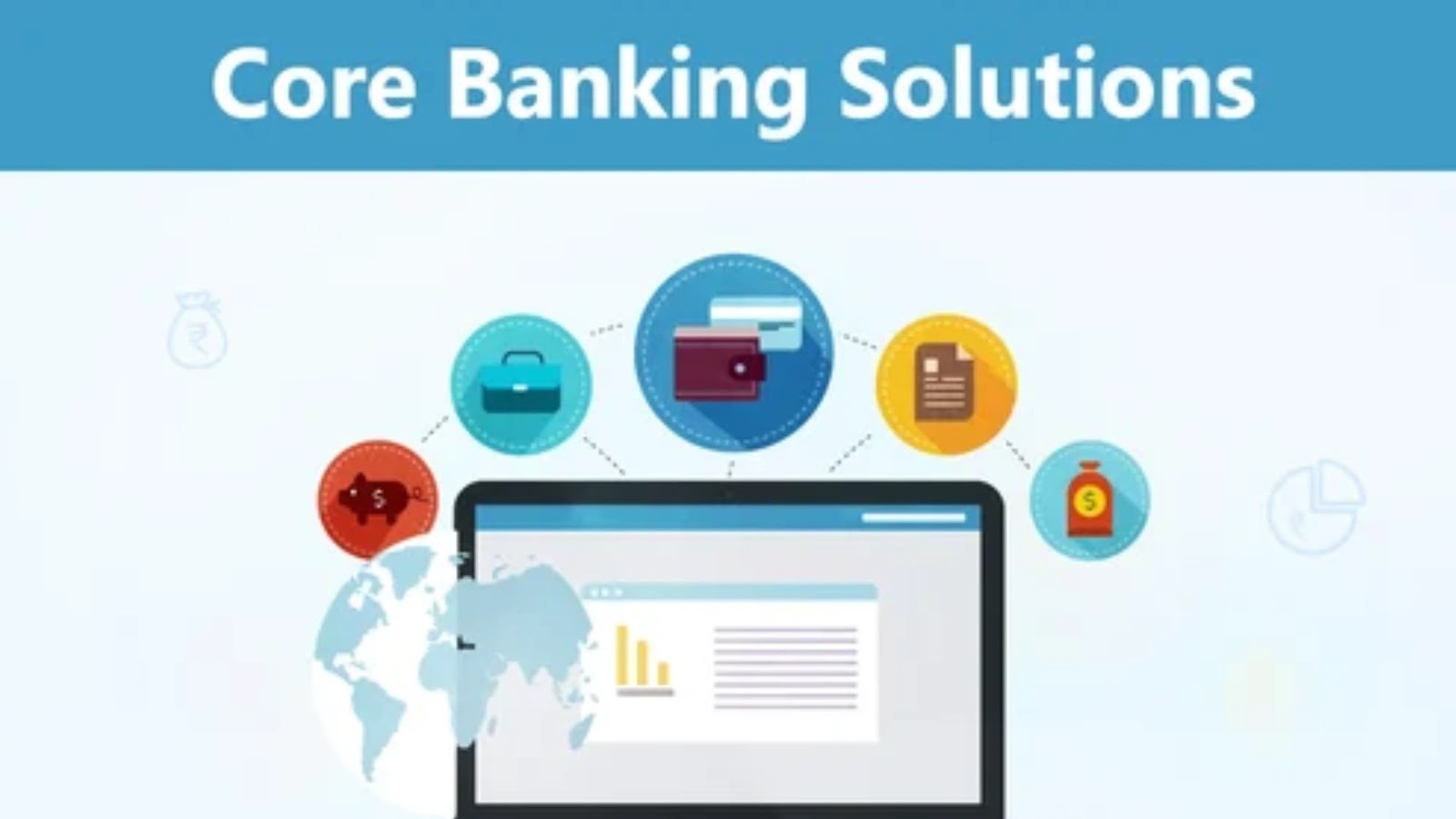
Banking software development services keep the lights on inside every bank, though hardly any customer ever glimpses the engine behind them. You tap a button. Money moves. Done. But under that one second sits a wall of encryption, compliance checks, and transaction logic that simply cannot stutter.
Ever stopped to ask what stops your payment from quietly disappearing at three in the morning? Core banking software. Built right, with security woven through every thread.
Here is the odd squeeze banks live in. People want speed and zero friction. Regulators want locks on every door. Pick one and you lose. Banks have to nail both at once. That impossible balancing act is the whole reason secure core banking grew into its own craft.
What Makes Core Banking the Real Backbone
Think of the core system as a spine. Accounts, loans, payments, all of it travels up and down that single structure. Crack the spine and the body drops. Harsh? Maybe. True? Completely. One missed patch can leak millions of accounts and burn years of trust before lunch.
And security cannot be glued on at the finish line. It has to start where the blueprint starts. Encryption, login controls, access rules, audit trails. All mapped before anyone types the first line of code. That early habit is what splits the tough banks from the brittle ones.
The Regulatory Wall Nobody Climbs Twice
Few industries get watched as closely as banking. Rules dictate how software gets designed, tested, shipped. Skip them and you pay later, far more than building things properly the first time.
These are the standards secure banking software usually has to satisfy:
| Framework | Focus area |
| PCI DSS 4.0 | Payment card data protection |
| AML/KYC | Fraud and money laundering prevention |
| GDPR | Personal data privacy |
| PSD2/PSD3 | Open banking and payment services |
| DORA | Operational resilience |
| ISO 27001 | Information security management |
Bake these into the architecture early and the platform ships audit-ready. Bolt them on afterward and you spend months patching under pressure.
Five Companies Building Secure Core Banking Software
Now the part that matters most. Pick the wrong partner and a bank wrestles with that choice for a decade. Pick well and the next ten years run smoother. Five names tend to rise above the noise, and the strongest sits right at the top.
1. Andersen. Nineteen years in the game. 170+ banking projects shipped. 260+ banking-focused specialists on the bench. Andersen builds core banking systems spanning CRM, ERP, payment systems, electronic document management, and core API integrations, all tied to AML, PCI DSS, PSD2, and GDPR. The work spreads across digital banking platforms, loan software, big data fraud detection, and legacy modernization. On one platform the team slashed vulnerabilities by 99.5 percent. That single figure tells you where their attention goes.
2. Temenos. A name almost everyone in the field recognizes. Its platform bends around core banking, payments, and digital channels, fitting banks of any size from scrappy challengers to global giants.
3. Oracle FLEXCUBE. The heavyweight pick for big institutions. FLEXCUBE sits among the most scalable and widely deployed core systems on the planet, trusted for tangled modernization programs and operations that cross many borders.
4. Mambu. Cloud-native and built for the new wave. Mambu leans into scalable, flexible solutions shaped for digital-first banks, neobanks, and embedded finance players who need to launch fast and iterate faster.
5. Finastra. Active in 130+ countries, Finastra hands end-to-end lending solutions to almost every kind of financial institution. Its modular tech keeps features quick to roll out and keeps risk on a short leash.
Same core problem, five different angles. Size, ambition, and how tightly a bank wants to hold the reins decide which one fits.
How Security Runs Through the Build
Secure platforms never happen by luck. They follow a path. Discovery comes first, mapping goals, regulatory weight, and whatever infrastructure already exists. Then architecture and security planning lock down encryption, authentication, and access control before development even kicks off.
Then the building starts. Engineers wire up transaction processing, account management, payment services, and stitch in payment gateways, open banking APIs, and identity verification. After that comes the step weak vendors love to skip. Hard testing. Vulnerability scans, penetration testing, load testing under stress, all to prove the system holds when real money pours through.
Numbers Beat Adjectives Every Time
Want proof instead of promises? Here it is. One banking platform built on scalable microservices crossed 500,000 users inside a single year. A mobile personal finance product grew its client base by 23 percent in six months and pushed deals up by another 8 percent.
Not abstract bragging. Hard evidence that locked-down engineering and real growth can ride together rather than fight each other.
Why Old Systems Are the Trickiest Beast
Plenty of banks still lean on core systems built decades ago. Yanking them out overnight? Reckless. The wiser route uses gradual migration, API layers bridging old and new, microservices that fence off fresh features, and careful data syncing between the two worlds.
This patient method lets banks pick up modern tools while daily operations keep humming. Slower, sure. Far safer than betting everything on one big swap.
The People Behind the Code
Every secure platform rests on a team fluent in both finance and engineering. Domain knowledge weighs as much as raw coding chops. An engineer who actually understands how AML rules behave writes safer software than one who only skims a spec sheet. That mix of regulatory instinct and technical skill is exactly what banks should chase in a partner.
Conclusion
Secure core banking software stopped being a luxury for the giants long ago. Now it is the floor, the minimum any bank needs to survive scrutiny and hold onto loyalty. A good partner buries security inside the architecture, honors every rule, and backs claims with results you can measure.
For institutions ready to modernize without rolling the dice on stability, Andersen brings the years, the compliance depth, and the track record to make that leap both safe and worthwhile.
FAQ
Can a bank tighten security without ripping out its whole core?
It can. Gradual migration, API layers, and microservices let banks harden security piece by piece while everyday operations keep running.
What drags a banking software project down the most?
Compliance gaps caught too late. Handle regulatory demands at the design stage and projects move quicker, dodging expensive rework down the line.
Is artificial intelligence safe inside core banking systems?
Built responsibly, yes. AI sharpens fraud detection, credit scoring, and anomaly monitoring, as long as it works within strict compliance and data-protection limits.
How soon does a fresh banking platform go live?
Basic modules or an MVP land in 3 to 6 months. Full online banking platforms run 6 to 12 months. Complex enterprise systems can stretch toward 24.
What risk do banks underestimate the most?
Vendor lock-in. Skip digital sovereignty and multi-cloud flexibility and a bank can lose its grip on its own infrastructure, which turns nasty during growth or a regulatory shift.