
There was a time when smart homes sounded like a luxury side topic of technology. When people talked about voice assistants, application-controlled lights, and futuristic kitchens, the idea itself sounded more like entertainment rather than necessity.
That has changed. Today, the growth of IoT feels genuinely modern in the context of smart homes because it fits the way people actually live, work, save money, and manage space.
This is also why conversations around connected living have become more serious, especially when teams start looking at the bigger picture behind developing IoT solutions with Cogniteq and similar approaches.
Today, smart homes are not just about flaunting a few smart home devices. Today, smart homes are about designing a home that responds to your habits, minimizes your daily routines, and maximizes your home’s adaptability from morning till night.
Smart Homes Match the Rhythm of Modern Life
One of the strongest justifications why IoT technology remains relevant today for smart homes is that life has become fragmented today.
Nowadays, people wake up at different times, have different working hours, rush home, have more, and do many other things throughout their day.
A house is not a place where people come home at night. Today, it has become an office, a gym corner, a resting area, a media area, and sometimes even a school environment.
A traditional home setup does not always respond well to that complexity. Heating works on fixed settings. Lights stay on because someone forgot them. Doors need to be checked manually.
Appliances run without any awareness of timing or usage patterns. IoT changes that by giving the home a layer of awareness.
It is this awareness that gives the idea a sense of modernity. A connected home is aware of whether there is anyone present, what time of day certain events occur, whether there is a surge in power consumption, and how movement occurs from one space to another.
It is this awareness that helps the home function more as a system rather than a static entity.
This matters because people are tired of adding effort to basic domestic tasks. They want technology to reduce mental load. A smart home built with IoT can help with exactly that by taking care of repetitive actions that used to require constant attention.
Comfort Today Means Adaptation
Comfort used to mean comfortable lighting, a comfortable couch, or a room at comfortable temperatures. Comfort still means that, but now it means responsive.
People want spaces that adjust with them. That shift says a lot about why IoT feels so relevant at this moment.
In a modern smart home, comfort can become dynamic. The bedroom can gradually cool before sleep. The blinds can shift depending on sunlight during work hours. The hallway can light up softly at night.
The kitchen can support routines based on when the day starts. All of these may seem trivial, yet they contribute to the overall sense of how a home feels.
The interesting thing is that modern comfort is not limited to physical objects. It is also shaped by timing, automation, and environment control. IoT gives homes the ability to manage those layers in a way that feels intuitive.
This angle is especially important because expectations have changed. People are used to digital services that remember preferences, predict needs, and reduce steps.
They increasingly expect physical spaces to do something similar. A connected home answers that expectation by turning the living environment into something more flexible and personalized.
IoT Makes Small Spaces Smarter
Another reason IoT development feels modern for smart homes is that it is useful even beyond large houses or expensive properties.
It is important in apartments, compact urban living spaces, rental properties, and multi-functional interior designs where every square meter needs to perform more.
In compact living spaces, functionality is key. In one room, different functions are required in a single day. In the afternoon, it can be a working area. In the evening, it can be a relaxing area. Smart devices can assist in achieving this.
For instance, lighting can automatically switch depending on usage. Room-by-room climate can be adjusted. In compact living spaces, air quality monitoring can be more critical.
Motion-controlled systems can assist in optimizing energy consumption in areas where people frequently switch between different areas. Smart storage and entry systems can assist in optimizing compact living spaces.
The relevance of IoT can be seen in its contemporary nature because compact living is changing. In many parts of the world, people are living in more compact conditions, spending more on utility bills, and demanding more from compact living.
The connected home becomes useful because it helps limited space feel more intelligent, more organized, and more responsive.
Some of the most accessible benefits of smart homes in practice include:
- more control over heating and cooling in occupied spaces
- automated lighting based on time of day and usage
- tracking and monitoring of air quality and humidity levels in homes
- leak and smoke detection with instant alerts
- remote monitoring for travel, second homes, or rentals
These functions support real domestic needs. They are linked to a lifestyle, a budget, and peace of mind, which is why it feels like a timely concept.
A Modern Home Is Expected to Be Efficient
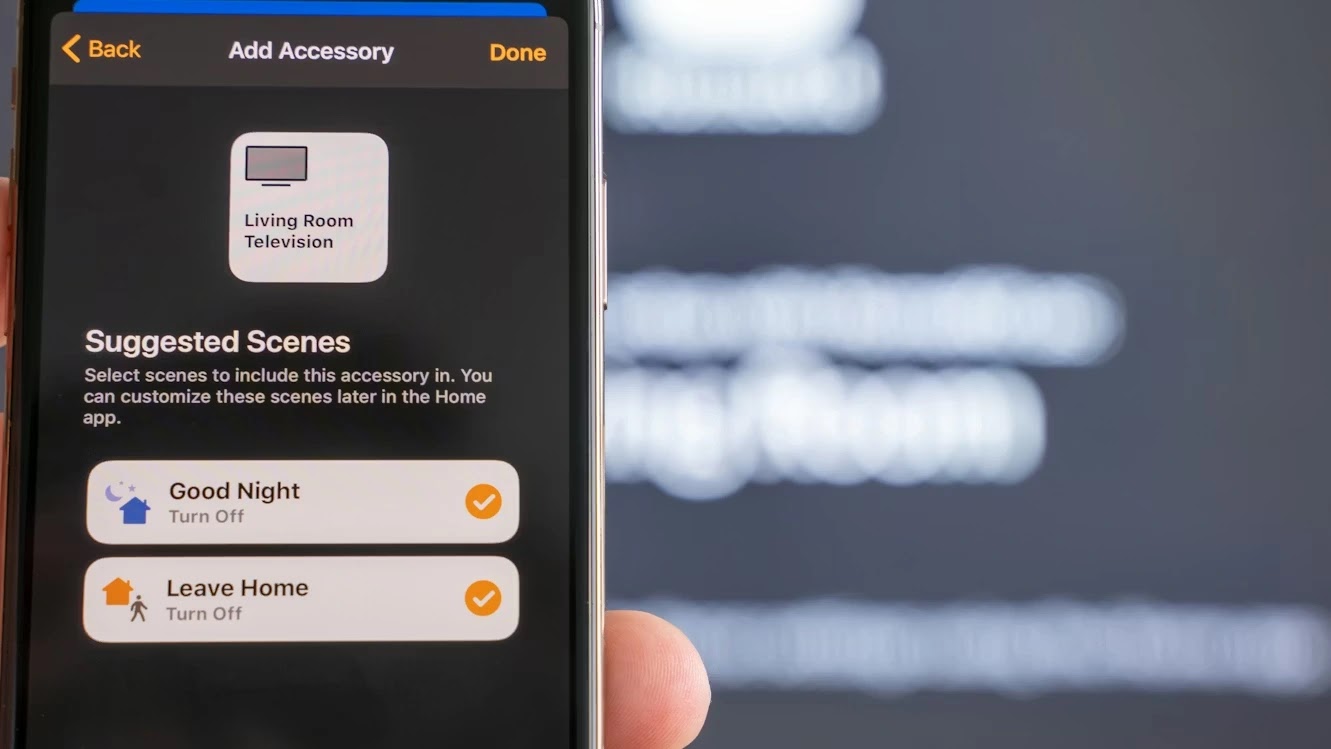
Efficiency is a value that goes along with living in the 21st century. People want to live a lifestyle that not only saves them time but also reduces waste and prevents any problems from arising.
Smart homes are no exception to this way of thinking. The Internet of Things is what makes it all possible.
This can be seen in the way smart homes deal with energy consumption. With the increased prices, smart homes are no longer what they used to be.
The smart thermostat is no longer a luxury but can be a part of a system that can regulate the temperature in a home based on daily routines and even presence.
Smart plugs can also identify which devices in a house consume energy in the background. There are sensors that can even prevent costly water damage before it happens.
Homeowners in the current age also prioritize maintenance. People desire a lifestyle where they can identify when there is a problem before it becomes a repair.
IoT has helped shift the focus in smart homes towards preventive maintenance. Instead of reacting too late, the smart home can now identify unusual temperature changes, moisture, air quality, or equipment performance.
That ability to anticipate issues feels deeply modern. It reflects how people use technology in other parts of life, from health tracking to car diagnostics.
The connected home belongs to the same logic. It helps people move from guesswork to visibility.
The Best Smart Homes Feel Almost Invisible
One of the most interesting shifts in the IoT space is that maturity often looks quieter. Early smart home culture focused heavily on visible tech.
People wanted to demonstrate commands, show off connected devices, and experiment with flashy setups. Today, the strongest smart home experiences often work best when they stay in the background.
That is a sign of real progress. When IoT becomes mature, it stops demanding attention all the time. It integrates. It supports daily life without turning every task into a digital interaction.
A person should not need to think constantly about whether the house is smart. The value appears when the home simply behaves in a more useful way.
That is things such as how natural it is to enter the home, how natural it is to set the temperature, how natural it is to receive alerts only when they are important, and how natural it is to have routines that work around how we live our lives.
The more invisible this technology is, the more modern it is.
This also explains why smart homes have stronger long-term potential now than they did a few years ago. The market is moving away from novelty and toward stability.
People are looking for connected systems that make sense over time, across seasons, family changes, work patterns, and new energy demands.
IoT development is truly modern for smart homes because it speaks to the way homes are changing. They are becoming more active spaces, more multifunctional spaces, and more demanding spaces.
They are becoming homes that can help people to adapt to their lives, to use resources effectively, and to provide support without adding complexity. That is the change.
The modern smart home is not about how futuristic it is. It is not about how modern it is. It is how natural it is to live in that home with the help of IoT.