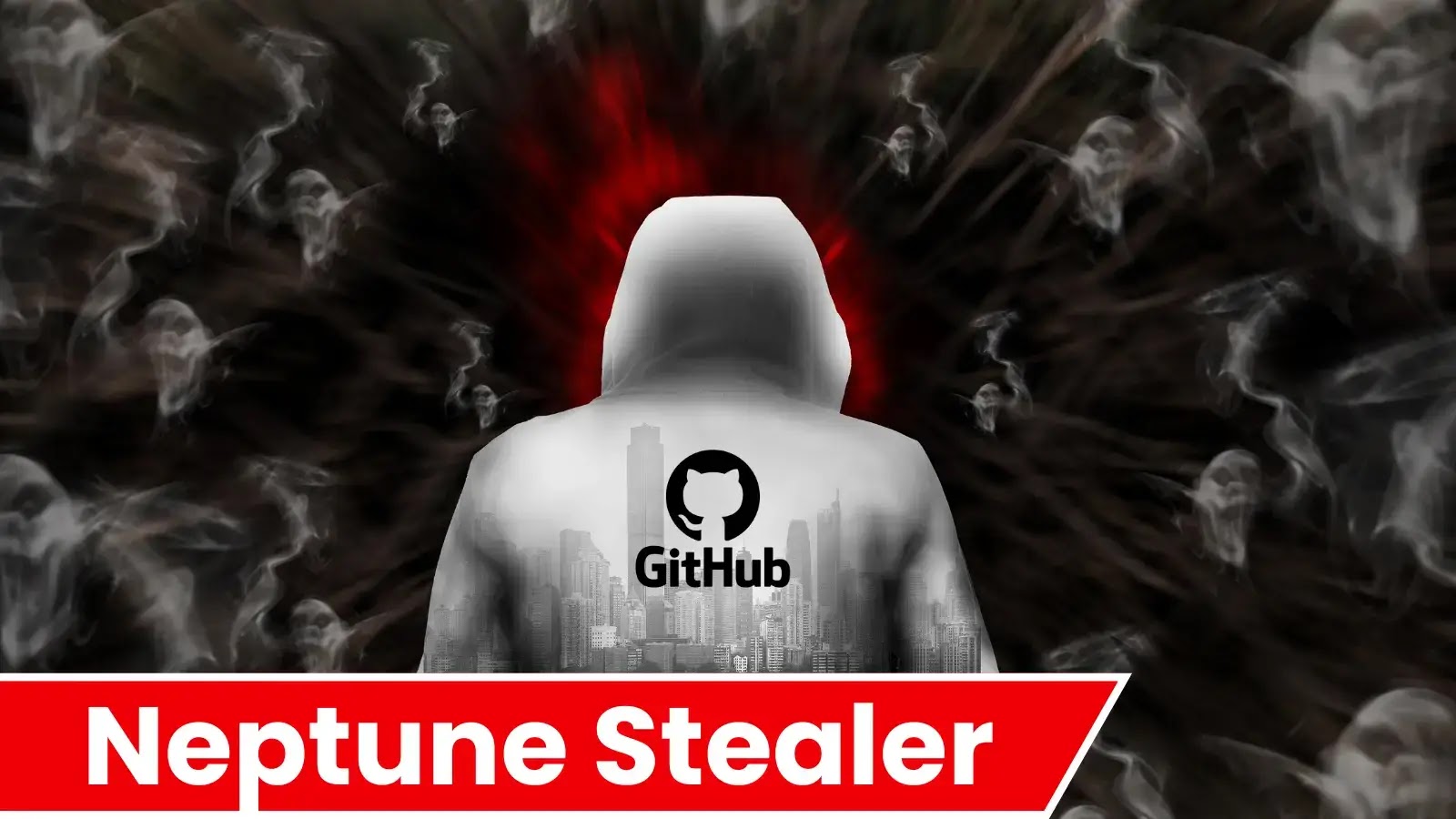
Cybersecurity analysts have identified a new malware strain known as Neptune Stealer.
This malicious software, designed to steal sensitive information from infected systems, is being distributed openly via GitHub, a popular platform for hosting and sharing code.
The discovery, highlighted by MonThreat on their social media platform X, has sent shockwaves through the cybersecurity community.
🚨Open Source Stealer Tool: Neptune Stealer#ThreatMon Has Detected an open-source theft tool called "Neptune Stealer," developed in Python, which has been shared on GitHub. Some features of #NeptuneStealer:🔹Cookie information from websites such as Spotify, Roblox, Tiktok,… pic.twitter.com/VLQEIcf9Kh
— ThreatMon (@MonThreat) July 4, 2024
Neptune Stealer is particularly concerning because it is open-source, meaning its code is freely available for anyone to view, modify, and distribute.
This openness can lead to rapid dissemination and adaptation by cybercriminals, making it a potent and versatile tool for malicious activities.
How Neptune Stealer Operates
Neptune Stealer operates by infiltrating a victim’s system andexfiltrating sensitive data, including passwords, personal information, and financial details.
Once installed, it can silently collect data and send it back to the attacker without the user’s knowledge.
The malware’s open-source nature allows attackers to customize it to target specific information types or evade detection by security software.
The use of GitHub as a distribution platform is particularly troubling.
GitHub is widely trusted and used by developers worldwide, which can lend a veneer of legitimacy to malicious projects hosted there.
This tactic can deceive even experienced users into downloading and executing harmful code.
Protecting Yourself from Neptune Stealer
Cybersecurity experts recommend several precautions to protect against Neptune Stealer and similar threats.
First, always verify the source of any code or software before downloading it, especially from open-source platforms.
Use reputable security software to scan for and remove malware, and keep your systems and applications updated with the latest security patches.
Additionally, consider using multi-factor authentication (MFA) to add an extra layer of security to your accounts.
MFA can help prevent unauthorizedaccess even if your credentials are compromised.
As the cybersecurity landscape evolves, staying informed and vigilant is crucial.
The discovery of Neptune Stealer underscores the importance of robust security practices and the need for ongoing vigilance in the face of emerging threats.
**"Is Your System Under Attack? Try Cynet XDR: Automated Detection & Response for Endpoints, Networks, & Users!"-Free Demo**