Introduction
As real estate investors, we are always analyzing various processes to grow reliable opportunities and keep our acquisition pipeline steady.
When researching prospecting strategies, you will find tons of comparisons like DealMachine vs PropStream, however what matters the most is how the leads are managed, tracked and followed up on.
Investors who prospect in a systematic, centralized way tend to have better treatments of communication timelines, opportunity progress and overall workflow efficiency.
Few successful investors depend on a single lead source. Rather they actually use the process to create a capturable, organizable environment from opportunities resulting from all kinds of channels.
When you have all of your follow-ups, notes and communication records in one place, it becomes much easier to maintain consistency throughout the pipeline and ensure that no potential opportunity with a specific lead slips through the cracks.
Understanding Driving for Dollars
Driving for dollars is a pragmatic strategy in which investors drive around target neighborhoods to look for properties that are visibly distressed, neglected or underutilized.
This approach enables investors to see raw market dynamics and identify opportunities that may not yet emerge within standardized datasets.
Driving for dollars frequently assists investors in finding:
- Vacant or poorly maintained properties
- Signs of deferred maintenance
- Homes with overgrown landscaping
- Properties that appear underutilized
- Signs of transition look closely in neighborhood areas
In other words, noticing things firsthand can help one develop local understanding that will lead to more confident decisions in assessing possible opportunities.
Understanding List-Based Lead Generation
This is a positive opportunity to generate leads based on tangible data for properties while creating the investment criterion.
Rather than combing through individual properties, investors can browse curated datasets which show ownership trends, transaction data and location signals pertinent to their strategy.
List-based prospecting commonly focuses on:
- Ownership duration indicators
- Equity positioning signals
- Historical transaction activity
- Geographic targeting filters
- Market trend observations
By storing this information within a structured workflow, investors can quickly and efficiently review opportunities without compromising on consistent evaluation criteria.
What Sets It Apart Is the Workflow Efficiency
Both strategies can create powerful opportunities but the true difference is sometimes in how those leads are handled.
While many investors do gather leads successfully, they have difficulty staying organized across dozens of spreadsheets, notes, and fragmented tools.
Consolidating information As information is scattered, it becomes harder for you to follow up consistently and opportunities can lose momentum.
Common workflow challenges include:
- Losing visibility across lead stages
- Keeping property details in different locations
- Forgetting communication timelines
- Repeating manual data entry
- Difficulty tracking conversation history
Wise bookkeeping is key to moving each opportunity through an established evaluation cycle.
Benefits of Centralized System on Lead Conversion
When driving for dollars insights and list-based research are done in one holistic ecosystem, it just means investors tend to achieve better, more consistent results.
When using a centralized workflow, you can remain organized and have the chronological trail of communication intentions for every opportunity.
Maintaining all prospect data in one place helps to eliminate confusion ensuring follow-up is uniform across the board.
Structured systems allow investors to:
- Track lead activity without losing the context
- Maintain clear communication history
- Keep notes right inside opportunity records
- Monitor pipeline progress consistently
- Reduce reliance on scattered documents
A well organized system enables investors to respond quickly and stay more involved with potential sellers.
The Best of Both Worlds: Combining Strategies
Driving for dollars ensures you have real-time context on the condition of properties, whereas list-based lead generation is more organized, which helps facilitate analytical evaluation.
When both strategies work within a single workflow, investors can apply much more holistic views towards potential opportunities.
Such systems provide the structure to channelize both data sources collaboratively while adding no operational overhead.
A joined-up prospecting process tends to enable investors to:
- Keep a steady lead flow in from different channels
- Improve accuracy when evaluating opportunities
- Track communication timelines more effectively
- Keep research insights organized
- Adjust plans according to the market situation
By balancing different prospecting behaviours, it’s easy to see that acquisition performance becomes much steadier over time.
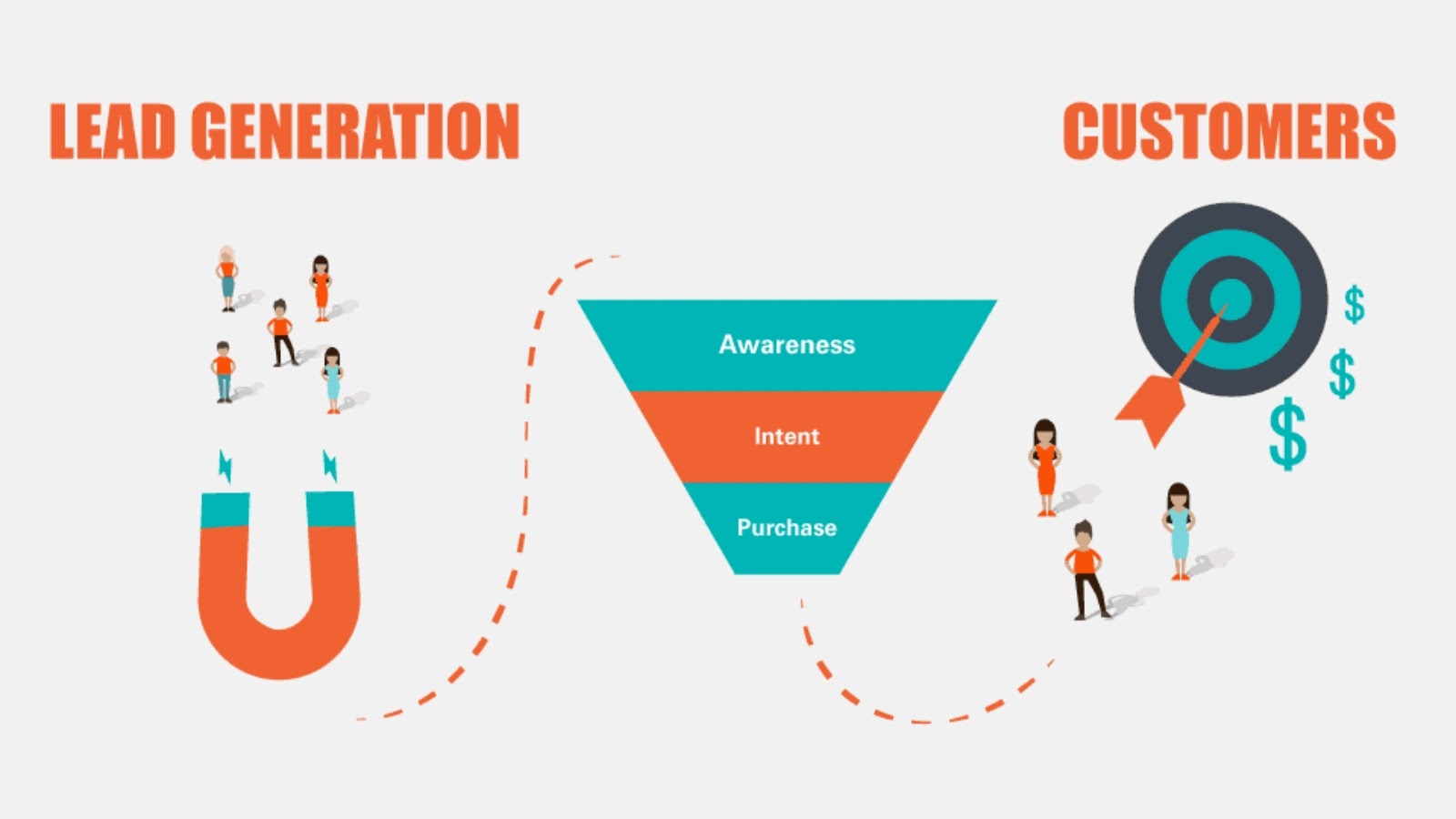
Create a Systematic Funnel for Lead Generation
Increased acquisition activity means that organization becomes more critical than the method of prospecting itself.
Systems that centralize lead tracking, follow-ups and research insights enable investors to handle far larger pipelines without losing sight of the detail. Structured workflows ensure that each opportunity passes through the same evaluation steps.
Scalable systems often support:
- Organized lead pipeline visibility
- Consistent follow-up scheduling
- Structured storage of property insights
- Clear tracking of opportunity progress
- Long-term workflow stability
Efficient systems enable investors to increase prospecting without losing operational control.
Conclusion
Both driving for dollars and list-based lead generation provide excellent avenues to discover real estate opportunities.
But the real power lies in staying organized and consistent throughout. Many investors who keep track of their leads, communication timelines, and research insights all in one workflow tend to have more consistent follow-ups and run improved deal flows.
By focusing on things like organization, clarity, and workflow efficiency, investors can create a prospecting process that drives growth in the long run while minimizing unnecessary friction in their operations.
Call to Action
Take a look at how you have your current prospecting workflow set up. A better organization will allow you to see your leads, follow up easily and have a more systematic approach towards opportunities from initial contact to closure.