Managing a data center often feels like conducting a massive, silent orchestra. There are thousands of moving parts, and most of them are invisible to the naked eye. When things are going well, nobody notices.
The lights stay on, the applications run smoothly, and the data flows without a hitch. But the moment a single note goes flat, the silence is broken by the sound of alarms and urgent emails.
Success in this field isn’t just about keeping the hardware cool. It’s about a delicate balance of strategy, foresight, and meticulous daily habits.
But have you ever wondered what actually keeps a manager up at night when the servers are humming perfectly? Honestly, it is usually the things we can’t see coming.
To manage a data center successfully, you have to look beyond the rows of server racks. You’re managing an ecosystem that relies on power, cooling, security, and connectivity.
If any one of these pillars fails, the entire structure is at risk. It’s a heavyweight to carry, especially when you’re the one holding the pager at 2 AM.
Prioritize Your Power Infrastructure
Power is the lifeblood of the data center. Without a reliable and redundant power supply, nothing else matters. Successful managers spend a significant amount of time auditing their power distribution units and uninterruptible power supply systems.
It’s not enough to have a backup generator. You must know exactly how long that generator takes to kick in and how much load it can actually handle under stress.
Efficiency is also a major part of the power equation. Modern data centers are moving toward more sustainable practices, not just for the environment, but for the bottom line.
Monitoring your power usage effectiveness is a daily task. If you see spikes in energy consumption that don’t align with your processing load, you’ve got a leak in your efficiency that needs to be plugged.
And that is usually where the real work begins.
Mastering the Climate Control
Heat is the primary enemy of high-performance computing. I remember standing in a cold aisle once, just feeling the hum of the laptop at midnight, and realizing how much energy we spend just fighting physics.
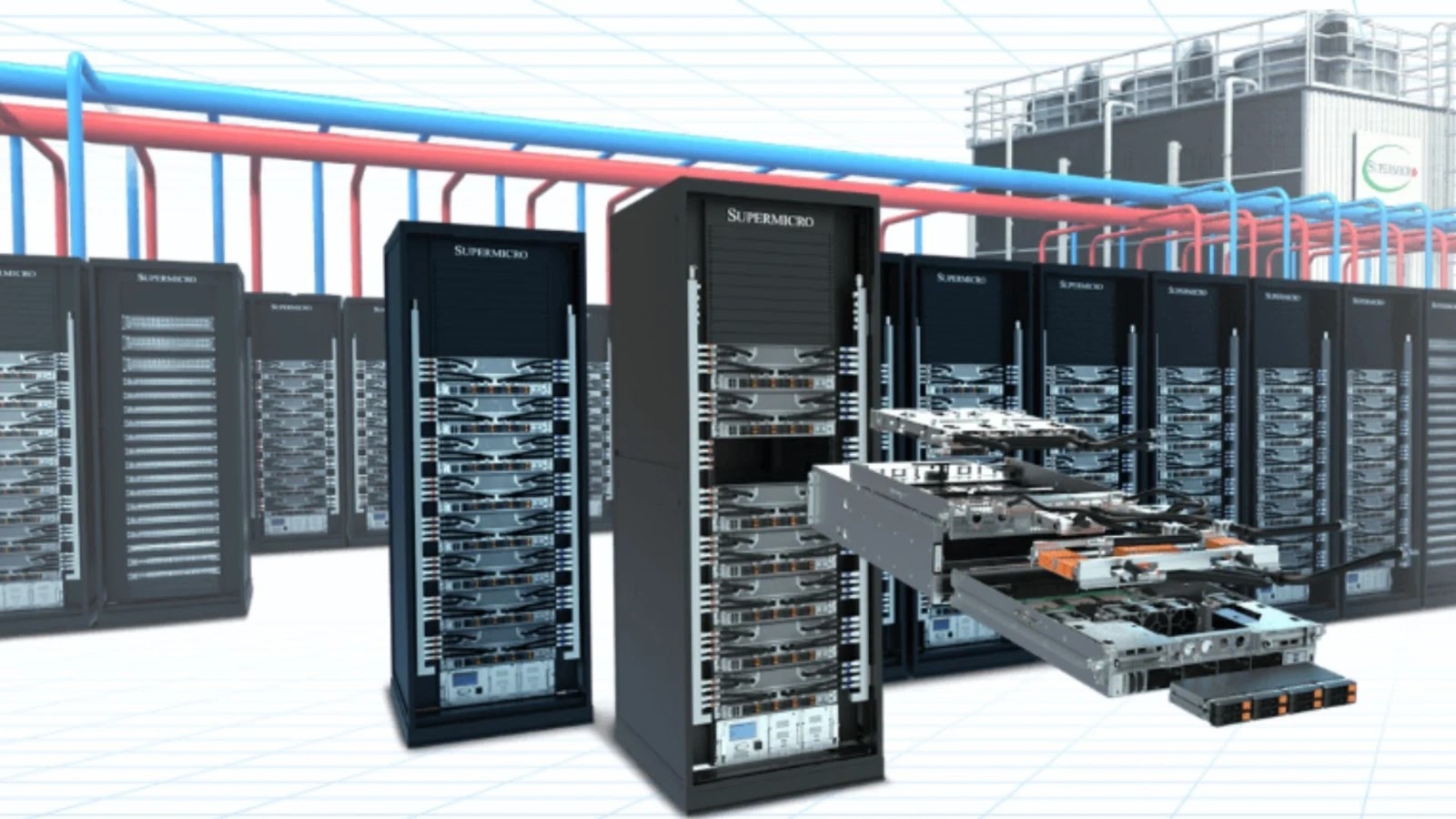
A successful manager treats cooling as a science. It’s no longer about just cranking up the air conditioning. It’s about airflow management. You have to understand how the air moves through the room.
Using hot and cold aisle containment strategies can drastically reduce the strain on your cooling units.
When you manage the temperature effectively, you’re extending the life of your hardware. Servers that run too hot will degrade faster and fail unexpectedly.
By maintaining a consistent, monitored climate, you’re essentially buying insurance for your equipment.
The Human Element of Security
We often think of data center security in terms of firewalls and encryption. While those are vital, physical security is just as important.
Who has access to the floor? How are those permissions tracked? A successful management plan includes strict access controls and constant surveillance.
Beyond the locks on the doors, security is also about the people working inside. Human error is one of the leading causes of downtime. I guess we all want to believe our teams are perfect, but mistakes happen.
Training your staff to follow rigorous protocols is the best way to prevent accidental outages. This includes everything from how they cable a rack to how they document a routine maintenance check.
Utilizing professional tech infrastructure staffing solutions can also provide the convenience of accessing specialized expertise without the long-term overhead of traditional hiring.
So, is your team actually prepared for a high-pressure hardware failure at 3 AM? And that’s the point. It’s about readiness.
Organization and Documentation
A messy data center is a dangerous data center. Cable management might seem like a cosmetic issue, but it’s actually a functional one.
Tangled wires block airflow and make it nearly impossible to troubleshoot issues quickly during an emergency. Label everything. Every cable, every port, and every server should be clearly identified in a central database.
Documentation is the backbone of continuity. If your lead engineer leaves tomorrow, can someone else step in and understand the architecture of your network? Successful managers insist on up-to-date diagrams and procedure manuals.
This reduces the “bus factor” and ensures the facility can survive transitions in staffing. You know, it’s the boring stuff that usually saves the day.
Planning for the Unthinkable
Disaster recovery isn’t something you think about once a year. It’s a mindset. To manage a data center successfully, you must constantly ask yourself what happens if the worst occurs. Regular testing of your failover systems is mandatory. If you haven’t tested your disaster recovery plan in six months, you don’t actually have a plan. You have a hope.
But what happens when the backup to the backup fails? Maybe we overthink it, but in this business, overthinking is a survival skill.
Scalability also falls under this long-term planning. Your data center needs to be ready for the needs of tomorrow. This means having a clear understanding of your floor space, your power capacity, and your network bandwidth.
You should be able to grow without having to tear down what you’ve already built.
The Role of Monitoring Tools
You can’t manage what you can’t see. Investing in high-quality data center infrastructure management tools is a game-changer. These platforms give you a real-time view of your entire operation.
They can alert you to a failing fan or a power surge before it becomes a catastrophe. These tools allow you to move from a reactive state to a proactive one.
Instead of fixing things that are broken, you’re maintaining things so they never break in the first place.
Success in data center management is found in safety and the details. It’s a career built on small, consistent victories.
When you focus on the health of the infrastructure and the clarity of your processes, you create a stable environment where technology can thrive.