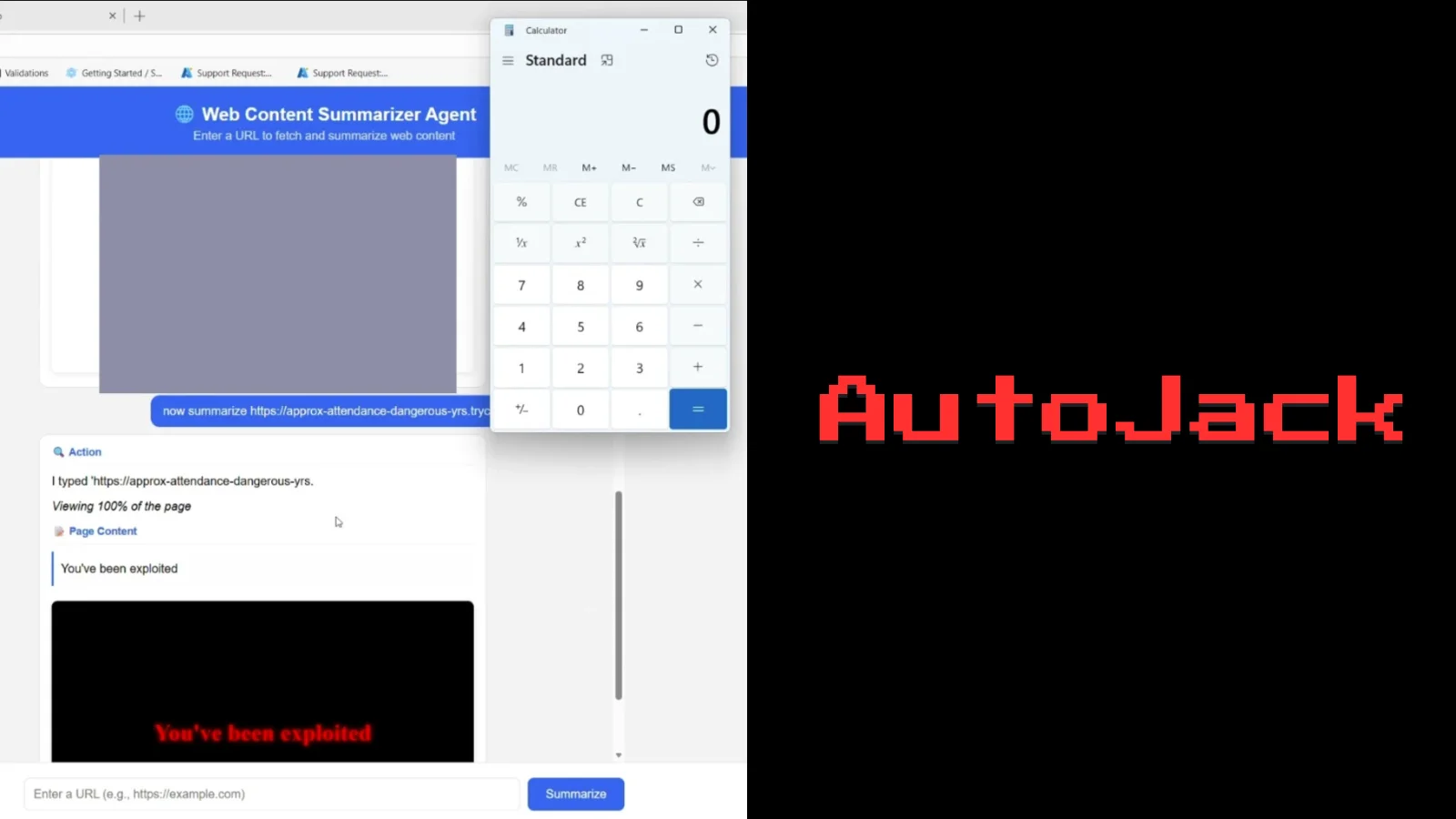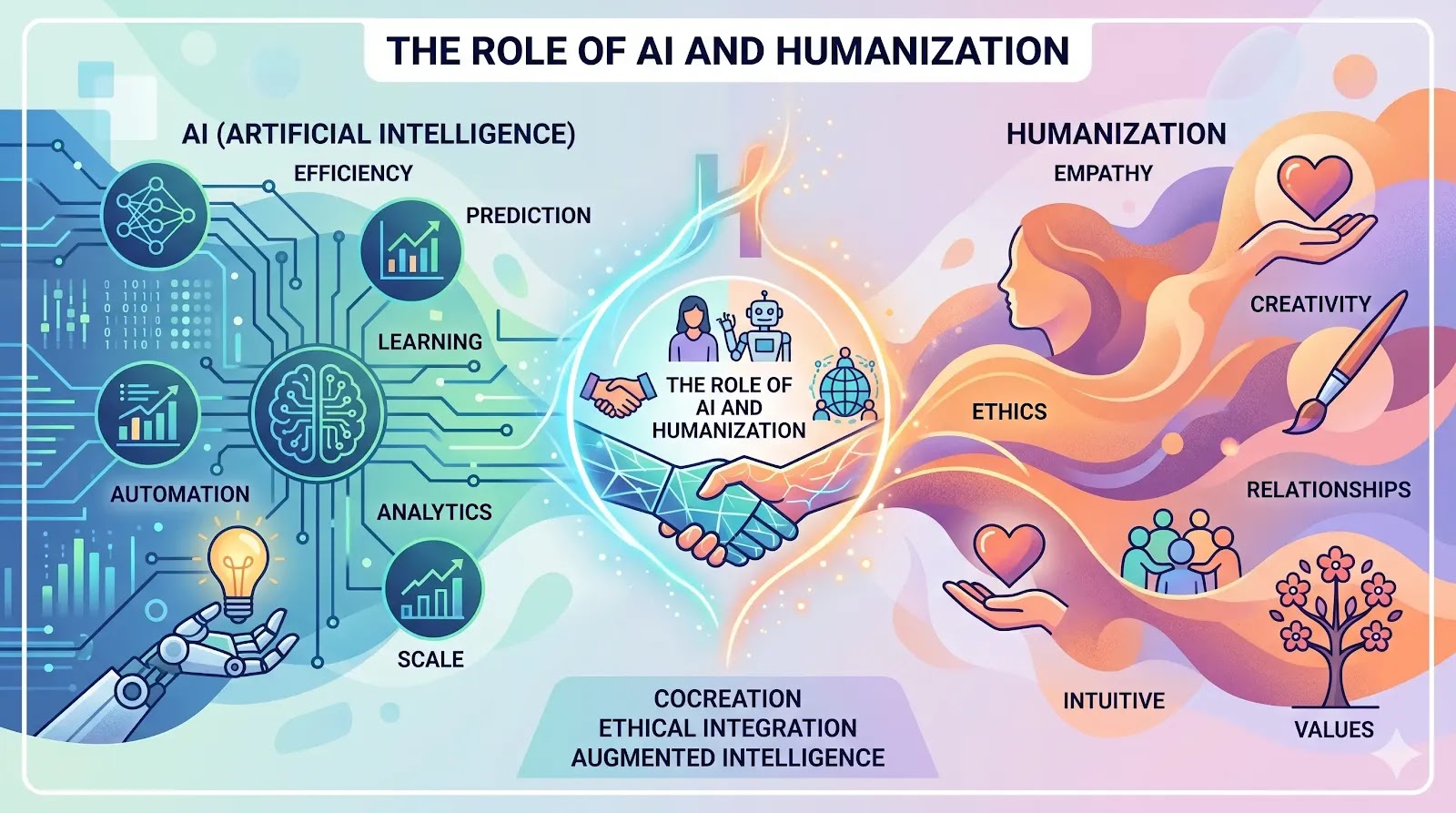
The rapid integration of Large Language Models (LLMs) into enterprise environments has permanently altered the landscape of digital communication. From drafting internal policies to generating code and customer-facing communications, generative AI has become an indispensable productivity engine. However, this proliferation has introduced a new vector of risk for cybersecurity and compliance teams: the crisis of digital authenticity.
In an era where threat actors leverage automated tools to generate highly convincing phishing lures, misinformation campaigns, and synthetic media, “Zero Trust” can no longer be applied solely to networks and identities. It must also be applied to content. Establishing robust governance frameworks that include AI detection and responsible content refinement is now a critical component of enterprise security.
The Cybersecurity Imperative for AI Content Governance
In enterprise cybersecurity, the integrity of information is just as critical as its confidentiality. The unchecked use of generative AI presents several distinct risks:
- Social Engineering and Spear Phishing: Threat actors increasingly use AI to eliminate the grammatical errors and unnatural phrasing that traditionally served as red flags in phishing emails, making Business Email Compromise (BEC) attacks significantly harder to detect.
- Automated Misinformation: The ability to generate thousands of articles, reports, or social media posts in seconds allows malicious actors to manipulate market sentiment, damage brand reputation, or flood security analysts with false threat intelligence.
- Shadow AI and Compliance Risks: Employees utilizing unauthorized generative AI tools to draft sensitive documents may inadvertently expose proprietary data or violate industry regulations regarding data provenance.
To combat these threats, organizations require mechanisms to verify the origin of text and ensure that all published materials—whether machine-generated or human-authored—adhere to stringent quality and security standards.
Establishing Transparency with an AI Detector
The cornerstone of modern content governance is the ability to accurately assess whether a piece of text is human-authored or AI-assisted. This is where detection mechanisms transition from academic novelties to essential security controls.
Identifying Automated Content Manipulation
AI detection systems operate by analyzing the statistical and linguistic properties of text. They look for specific signatures common to LLMs, such as predictable word choices (low perplexity) and uniform sentence structures (low burstiness). In a cybersecurity context, deploying an AI Detector serves as an early warning system.

For example, when a security operations center (SOC) receives a threat intelligence report from an unverified third party, running the text through a detector can provide immediate context. If the report is flagged as 100% AI-generated, analysts can prioritize secondary verification before acting on the intelligence, mitigating the risk of acting on automated misinformation.
The Challenge of False Positives and Multi-Layered Validation
While detection technology is advancing rapidly, it is crucial for enterprise teams to understand that no tool is infallible. The algorithms that power these detectors are probabilistic, meaning they assess the likelihood of AI generation rather than providing an absolute guarantee.
This introduces the challenge of false positives instances where entirely human-written text is erroneously flagged as AI-generated. This often occurs in highly technical writing, legal contracts, or standard operating procedures (SOPs), where human authors intentionally use rigid, predictable, and highly structured language.
Because of this, blind trust in a single detection score is a flawed security practice. Instead, organizations should adopt a multi-layered validation approach:
- Baseline Scanning: Use detection tools as an initial filter to flag anomalies, not as a definitive judge.
- Contextual Review: Assess the flagged content against its source, intent, and historical behavior of the sender.
- Human Oversight: Ensure that any punitive or administrative actions regarding content origin involve human review to prevent penalizing employees or partners based on algorithmic errors.
Transparency is the ultimate goal. In academic and publishing workflows, knowing that a document is AI-assisted allows editors to apply the appropriate level of scrutiny for factual accuracy and bias.
Responsible Refinement: When to Humanize AI Content
Verification is only the first half of the content governance equation; the second is refinement. Once AI has been authorized for use in drafting an enterprise document, the raw output is rarely suitable for immediate publication. Raw AI text often suffers from a recognizable “synthetic” tone—it can be overly verbose, emotionally detached, or structurally monotonous.
In sensitive enterprise scenarios, tone matters. A poorly phrased incident response advisory or a rigid internal policy update can cause unnecessary panic, confusion, or alienation among employees and clients.
Improving Readability Without Bypassing Security
This is where content humanization tools enter the workflow. The objective here is not adversarial; it is not about “tricking” security scanners. Rather, it is about taking structurally sound but robotic text and refining it for human consumption.
Using tools to Humanize AI allows organizations to adjust the phrasing, inject appropriate professional empathy, and improve overall clarity while strictly preserving the original, factual meaning of the text.
Practical Observation: Consider an IT security team tasked with writing an organization-wide email about a newly discovered zero-day vulnerability.
- The AI Draft: The LLM might generate a dense, jargon-heavy warning that is factually correct but causes alarm and is difficult for non-technical staff to understand.
- The Humanized Output: By applying responsible humanization techniques, the text is smoothed out. The urgency is maintained, but the tone shifts from alarming to instructive, ensuring that employees understand the required remediation steps without feeling overwhelmed.
By focusing on readability and audience alignment, enterprises ensure their communications are effective and well-received, bridging the gap between raw computational output and nuanced human interaction.
Integrating AI Governance into Existing Workflows
To effectively leverage both detection and humanization, organizations must integrate these tools into their existing operational workflows smoothly. A fragmented approach leads to low adoption and security gaps.
- Policy Development: Clearly define when and where generative AI is permitted. Establish guidelines that mandate the disclosure of AI assistance in critical documents, such as financial reports or compliance audits.
- Tool Integration: Integrate detection APIs directly into content management systems (CMS), email gateways, and collaborative platforms to automate the initial layer of screening.
- Continuous Education: Train staff not just on how to use AI for productivity, but on the limitations of the technology. Employees should understand the concepts of AI hallucinations, the reality of false positives in detection, and the ethical mandate to review all automated outputs.
Conclusion
As generative AI continues to evolve, the line between human and machine-generated content will become increasingly blurred. For enterprises, maintaining trust with clients, partners, and employees requires a proactive approach to content security.
By deploying robust AI detection tools to ensure transparency and identify potential manipulation, and by utilizing responsible humanization techniques to ensure clarity and empathy in communication, organizations can safely harness the power of AI. Ultimately, technology should not replace human judgment, but rather empower it, creating a digital environment where authenticity and security go hand in hand.