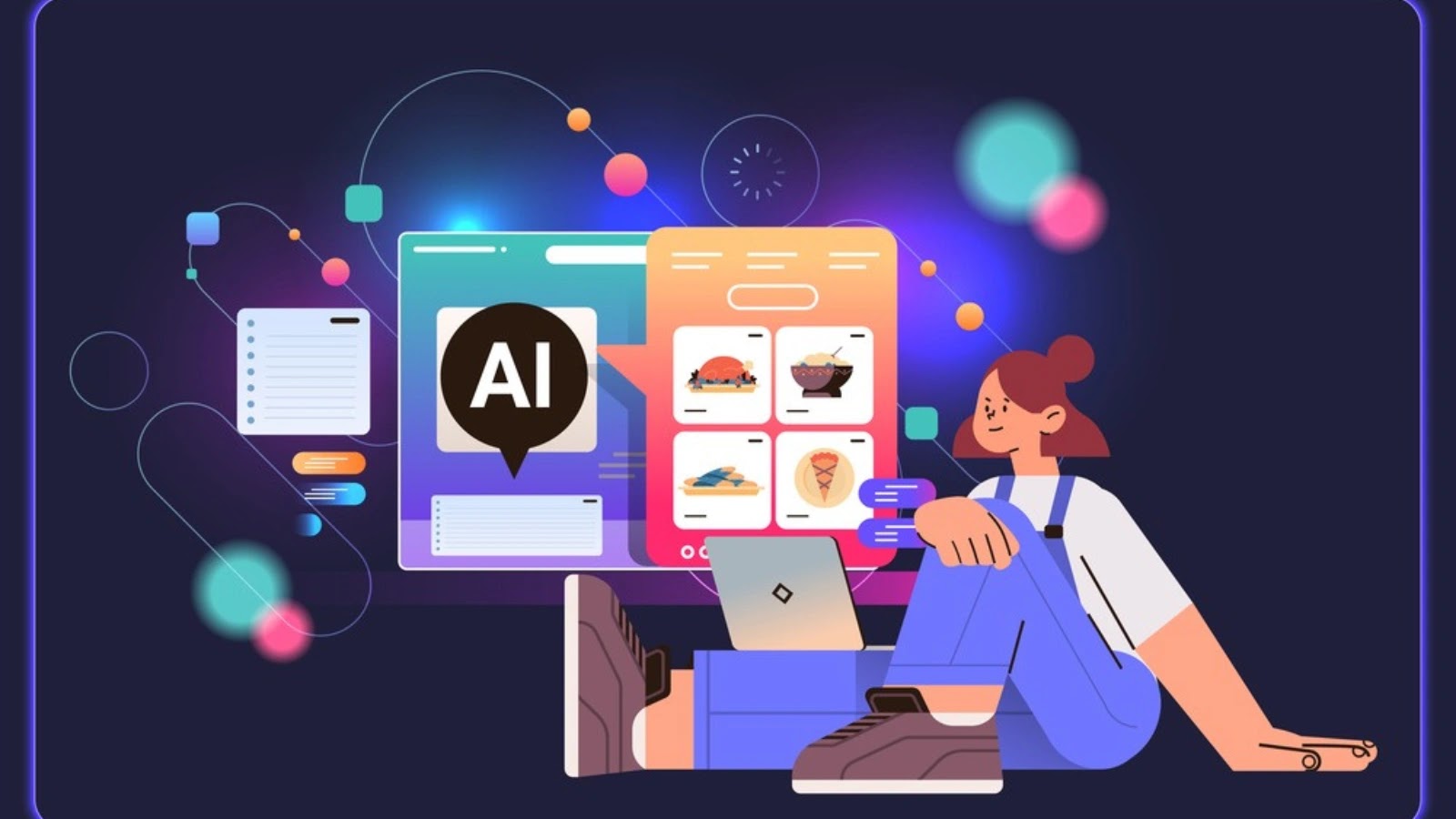
A decade ago, AI-generated art felt futuristic and niche. Today, it has become a serious creative asset—used not only in galleries but also in marketing campaigns, brand visuals, product design, and social media content.
While tools make it easier than ever to create eye-catching visuals, many brands still hesitate, questioning whether these assets are legally and ethically safe to use.
That concern is valid. The key lies not only in legality but also in following the right processes. As a responsible brand, you should rely on a trusted AI image generator to create art for commercial use. Let’s look at practical ways to do that right.
When is it legal to sell AI-generated art?
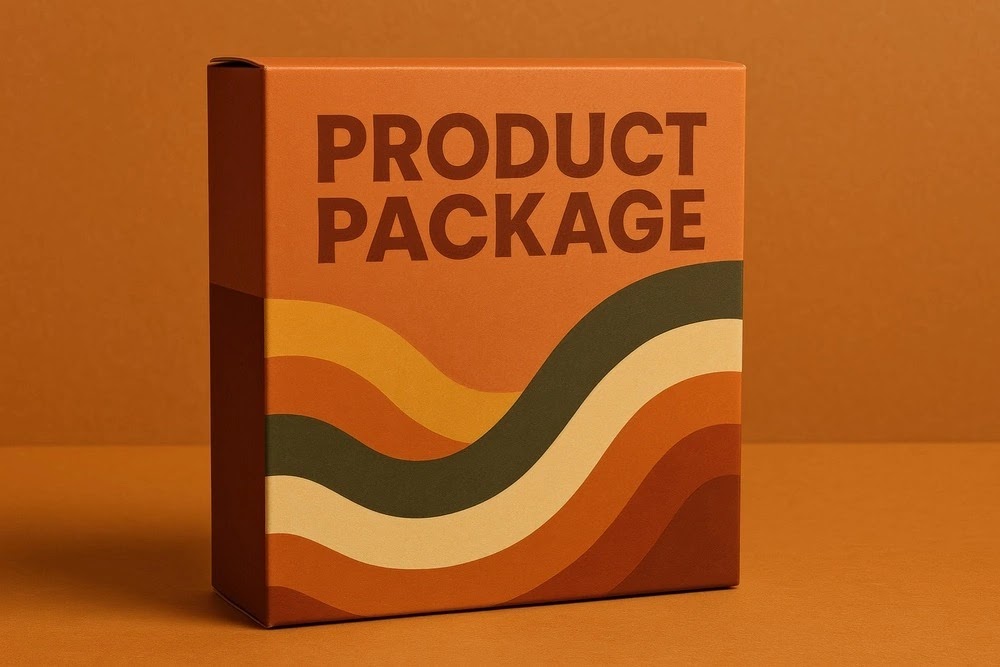
Anyone can use AI art commercially as long as it’s created with a tool explicitly granting commercial rights. Many platforms include this in their licensing terms, enabling companies to integrate generated photos into business campaigns, product packaging, websites, or print-on-demand merchandise.
DepositPhotos AI Image Generator is one such tool that offers transparent commercial rights. Beyond AI visuals, DepositPhotos also provides hundreds of millions of professional stock images from real artists. You can freely use these stock images for commercial purposes as well!
You can also sell AI art if it is original enough not to copy or replicate copyrighted works. This means avoiding derivative outputs of protected styles, logos, or characters. When your visuals are unique, you can confidently use them for campaigns, banners, or product graphics, knowing they are legally safe.
FAQ: Do I need a license to use AI-generated images commercially?
Not always. Some AI image generators include commercial rights by default, while others require a paid plan or special license. Always review the platform’s terms of service before publishing or selling AI visuals. Choosing a tool with clear licensing protects your brand’s credibility and minimizes legal risks.
When is it not legal to sell AI art?
You cannot sell AI-generated art if the tool’s terms prohibit commercial use—a common restriction in free versions that rely on datasets without proper rights. Such limitations have already triggered lawsuits and stricter disclosure requirements for some providers.
The New York Times lawsuit against OpenAI and Microsoft highlights how unclear training data can spark copyright disputes when outputs are sold commercially. Similarly, selling visuals replicating copyrighted works, logos, or celebrity likenesses can lead to takedown notices.
The safest approach is to treat AI images as protected unless the generator explicitly grants commercial rights.
3 steps to using an AI-generated artpiece commercially
Step 1. Ensure an AI image generator allows commercial use
A 2025 EUIPO study found that GenAI developers are increasingly licensing content from copyright holders. Still, even if you’ve found a tool that delivers impressive visuals, you must review its licensing agreement carefully. Some platforms restrict commercial use of their outputs, and overlooking this detail can expose your brand to legal risks.
The rule is simple: understand a tool’s commercial rights before using it. Choose it only if it allows selling or distributing its assets. For example, if you prefer DALL-E outputs, review its policy onDALL-E commercial use.
If ChatGPT-generated images align with your vision, check theChatGPT commercial license in advance. Likewise, if you’re working with Stable Diffusion, confirm its license for commercial use to avoid restrictions.
Beyond the official documentation, consult reviews, user feedback, and the platform’s reputation on trusted websites. This due diligence ensures you can confidently build campaigns with AI-generated visuals.
Step 2. Check whether outputs are crisp and worth selling
Even if an AI art generator allows commercial use, don’t rush to publish its outputs. Scrutinize each visual carefully. If it features people, pay close attention to details like ears, hands, and facial structure. Blurry lines, distorted anatomy, or inconsistent textures can undermine credibility and should be corrected before the image goes public.
Quality and licensing are just the baseline. Beyond that, evaluate the design’s strategic value. Does it reflect your brand identity and resonate with your audience? Will it stand out against competitor visuals, or does it look too similar to what’s already out there? Always prioritize business goals over speed, ensuring image strengthens your brand.
Step 3. Highlight the image’s origin
Transparency builds trust. If you rely on AI art for commercial use, acknowledge it openly. A 2024 University of Vermont study found that most artists support disclosure requirements for AI-generated content, making transparency essential for market acceptance.
Being upfront prevents misunderstandings with clients or partners who may seek clarity about the creative process. It also shows that your business takes intellectual property seriously, reinforcing your credibility and strengthening your professional reputation over time.
FAQ: Is attribution required when using AI images in commercial projects?
Generally, no—if the platform grants full commercial rights. Free tiers may ask for credit, while paid plans usually remove that requirement. From a branding perspective, most businesses prefer AI art generators with clear commercial use rights since they eliminate the need for attribution and keep customer-facing work polished and professional.
Final thoughts
AI-generated art can be a powerful commercial asset, and selling it is legal—but only when handled with clarity and care. Always choose tools with transparent licensing, assess quality rigorously, and stay upfront about your creative process to avoid costly missteps. The opportunities are real, but so are the risks.
Long-term success depends on selecting the right platform, respecting licensing rules, and ensuring every image aligns with your business goals.