WhatsApp has begun allowing users to reserve usernames ahead of a broader feature launch planned for later this year, prompting a wave of questions about security, impersonation risk, and account linkage that security researchers should be tracking closely.
According to WhatsApp, usernames are optional, not mandatory, meaning existing phone-number-based identification remains the default authentication and contact mechanism.
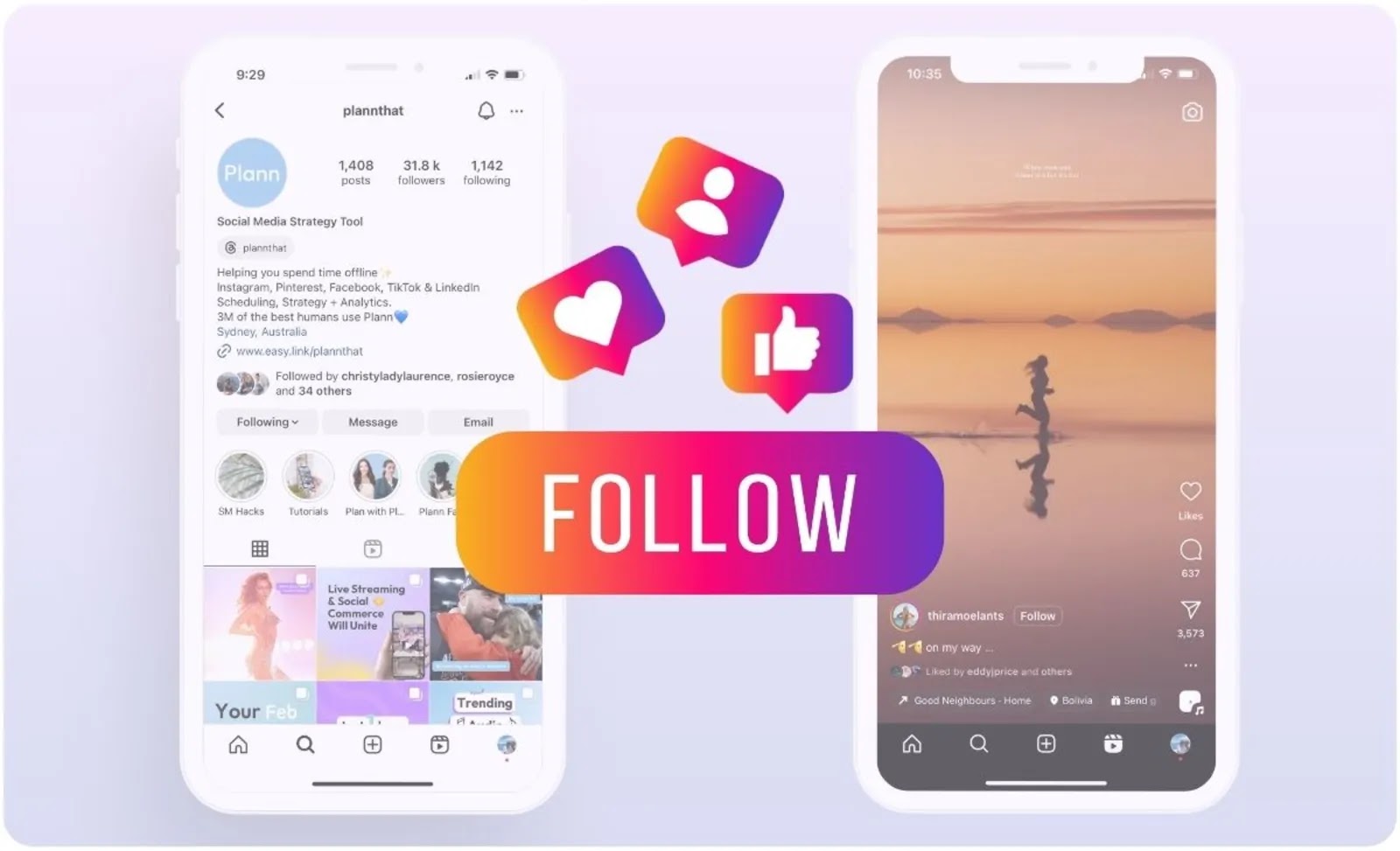
Users who want a specific handle that matches their Instagram or Facebook account must first link those accounts, a design choice explicitly framed as an anti-impersonation control to verify legitimate ownership before unlinking is permitted.
This linkage requirement effectively ties reservation validation to Meta’s broader identity graph, creating a cross-platform verification checkpoint that wasn’t previously required for WhatsApp account creation.
Meta has pre-emptively reserved well-known names and variations, including public figures, celebrities, government entities, and Meta-verified accounts, blocking ordinary users from claiming these regardless of first-come-first-served timing.
Existing Instagram and Facebook usernames are also locked to their original owners, extending Meta’s cross-platform namespace enforcement beyond a single app.
This is a notable departure from typical username-reservation models on platforms like Twitter/X or Discord, where namespace squatting is a persistent abuse vector, and directly targets brand-impersonation and celebrity-impersonation scam patterns.
Despite these protections, username-based messaging is not yet enabled, meaning the primary attack surface, unsolicited contact using a look-alike or typo-squatted handle, isn’t currently exploitable.
When messaging via username does roll out, WhatsApp says it will surface country-of-origin metadata and first-time-contact warnings, mirroring existing “unknown sender” heuristics already used for phone-number-based messages.
Critically, usernames are not searchable, closing off the enumeration vector that made phone-number harvesting a common OSINT and spam technique, and users can further reduce exposure by adding a “username key” restricting discoverability to a WhatsApp-unique handle.
Security teams monitoring social-engineering campaigns should note that false claims about reserving popular usernames are already circulating, which Meta has explicitly debunked; only verified account owners can hold public-figure names, regardless of third-party claims.
This misinformation pattern is consistent with pre-launch feature hype being weaponized for phishing or credential-harvesting lures, a tactic frequently seen ahead of major platform rollouts.
Analysts should monitor the eventual username-messaging rollout for how well the promised country-of-origin and first-contact warnings perform against real-world scam campaigns, since similar metadata-based warnings on other platforms have had mixed success rates against sophisticated social engineering.
The reservation-before-launch strategy itself is a notable UX and security design pattern worth tracking as other messaging platforms may adopt similar staged rollouts to reduce day-one namespace abuse.