Google is expanding the use of artificial intelligence (AI) agents across the Chrome security lifecycle to identify source code weaknesses, test patches, and accelerate the delivery of security updates to users.
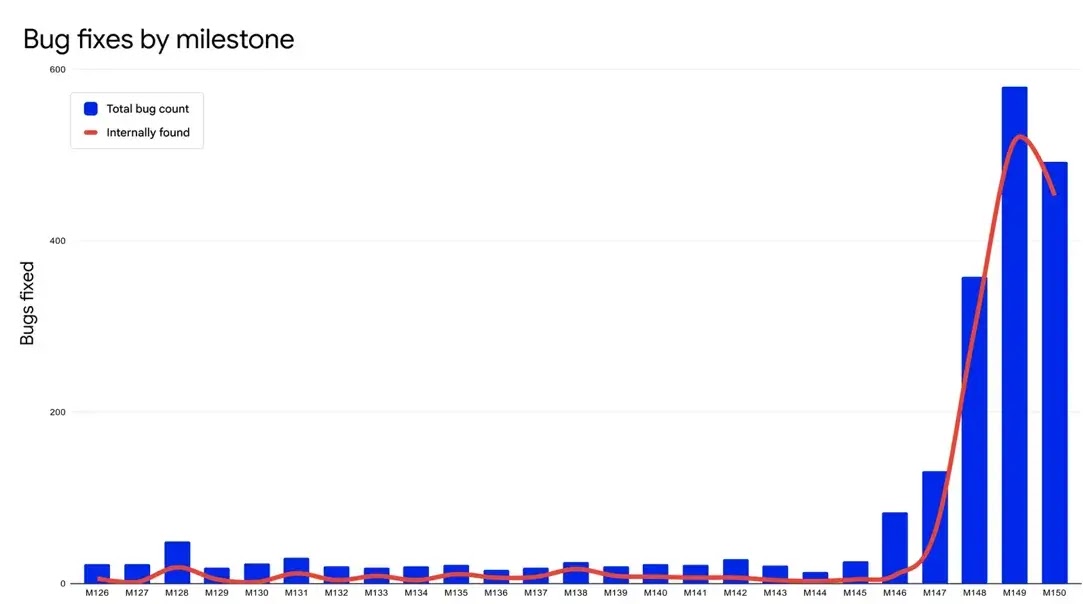
The Chrome Security team stated that AI systems are now helping discover vulnerabilities across the broader Chromium codebase, rather than only assisting with limited tasks like fuzzing.
The company has developed an agent framework using Gemini and other models, complete with specialized tools, internal knowledge bases, and guardrails designed for secure code analysis.
An AI-assisted scan uncovered a Chrome sandbox escape vulnerability that had remained in the codebase for more than 13 years, potentially allowing a compromised renderer process to bypass sandbox restrictions and trick the browser into reading local files.
Google said its AI agents use multiple sources of context when reviewing Chrome code, including the browser’s Git history, previously disclosed CVEs, security documentation, and component-specific SECURITY.md files.
This information helps the AI understand trust boundaries, expected behavior, and the threat model for individual Chrome components.
Additionally, the company introduced “critic” agents that independently review reported bugs and proposed fixes. This multi-agent process aims to reduce false positives and enhance the quality of remediation suggestions before developers assess the results.
AI is also employed to automate vulnerability triage. Traditionally, reviewing a single security report could take anywhere from 5 to over 30 minutes.
Chrome’s automated pipeline now filters out duplicate and invalid reports, checks proofs of concept, reproduces flaws on affected platforms, assigns severity ratings, adds relevant metadata, and routes bugs to the responsible developer or team.
According to Google, this automated workflow saves developers hundreds of hours each month. This time can be redirected towards more complex security investigations, the development of mitigations, and the manual validation of high-impact findings.
For remediation, AI fixing agents generate multiple candidate patches. Then, critic agents evaluate those patches for correctness, coding standards, and compatibility with Chromium conventions.
Test-writing agents can also create and validate regression tests across Chrome’s supported operating systems and configurations.
Google indicated that tools from DeepMind and Project Zero, including Big Sleep and CodeMender, are integrated into Chrome’s continuous integration environment.
These systems operate continuously, running every 24 hours in response to code changes. In May alone, the company reported that these tools prevented more than 20 vulnerabilities from reaching production, including one critical severity issue.
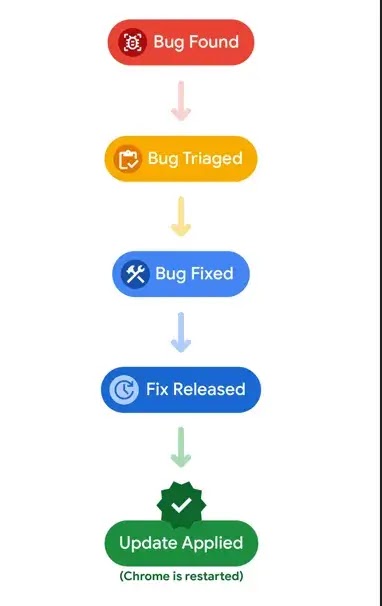
The company is also addressing the “patch gap,” which is the interval between a public source-code fix and its deployment to users.
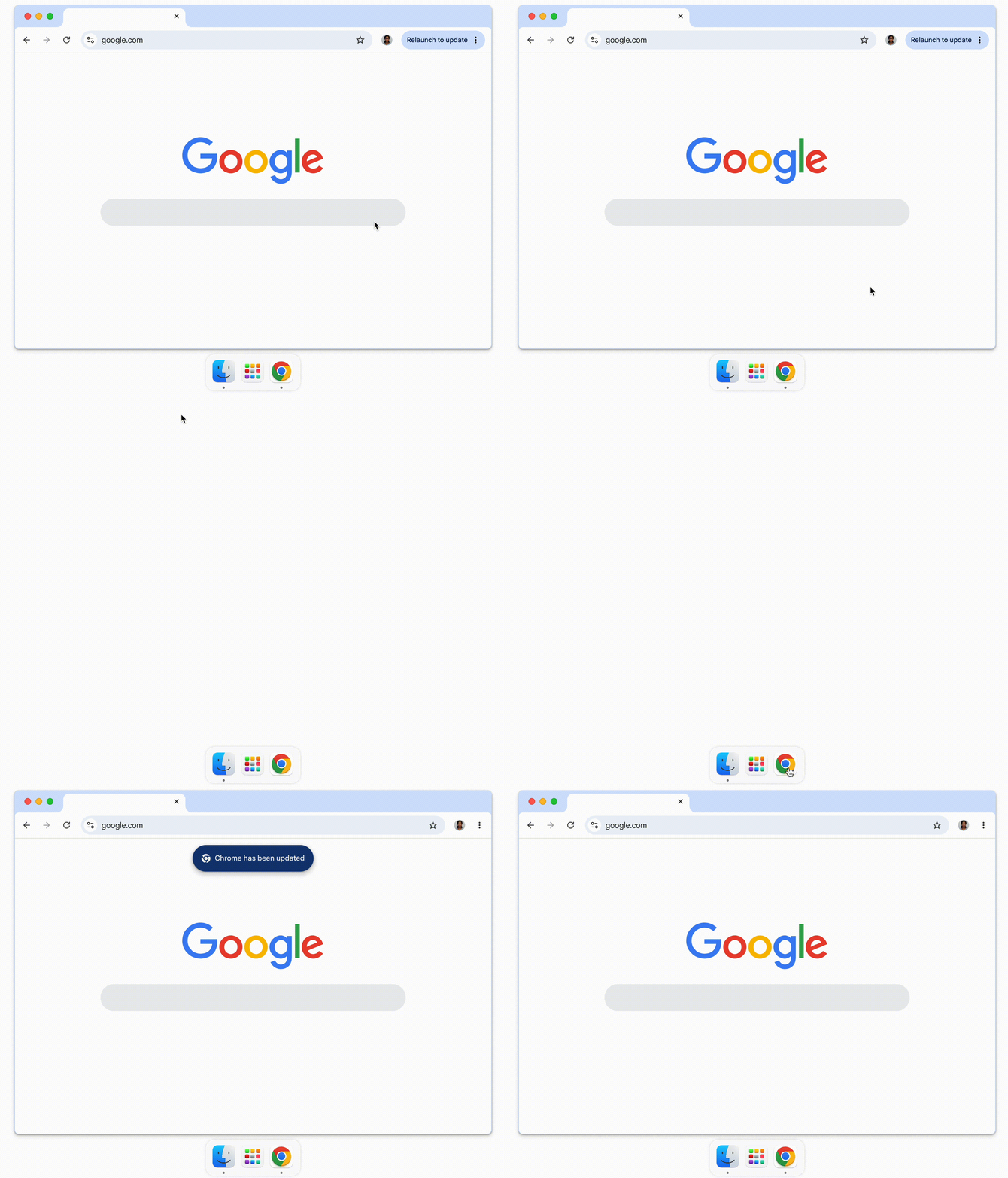
Google aims to shift towards releasing security updates twice a week and is researching dynamic patching technology that could allow certain Chrome processes to be updated without needing a full browser restart.
In addition to AI-driven bug discovery, Chrome continues to invest in memory safety protections, such as hardened C++ defenses, adoption of std::span, heap hardening, and increased use of Rust for security-sensitive components.